Begin with one equipment category
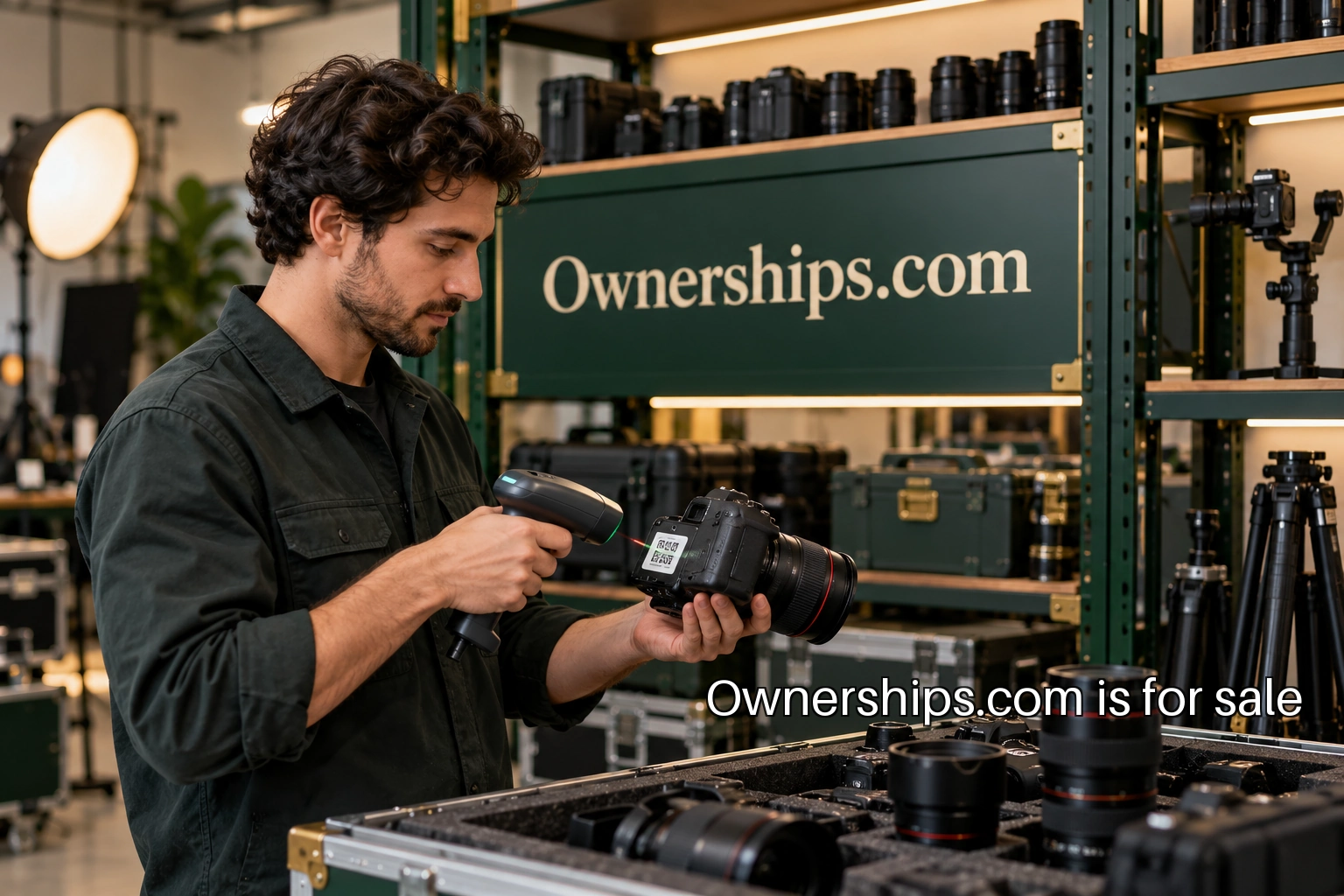
An asset-record product under Ownerships.com could begin with the equipment in an independent workshop. The first customer might have several machines, a small team and a collection of service details spread across messages, drawers and somebody's memory. A useful product would answer ordinary questions quickly: which machine is this, who looks after it, where is the manual and what happened at the last repair?
That is a narrower first offer than a platform for everything a person owns. It gives the founder a defined user, an observable task and a reason to return after the initial setup. The name has enough room for the next asset category, while the first version can stay close to a workshop's actual week. The product could be introduced as Ownerships, a working record for the equipment your business depends on.
Follow the record through its life
Consider a workshop that acquires a used compressor. At arrival, someone records its model, serial number, location and the person responsible for it. They add the supplier information and a link to the instruction manual. The important design question is what happens next. If entering the record is the only supported activity, the software may become a snapshot that nobody has a reason to revisit.
Build the second visit into the first version. A maintenance event could attach a dated note to the existing asset, keeping the person, action and supporting document together. A location change could update the current location while retaining a small history. A handover could show the next operator the most recent service event and the next planned check. These are product design choices to test, rather than universal requirements for every asset.
The NIST Cybersecurity Framework's asset-management material includes maintaining hardware inventories and managing assets through their life cycles. Its scope is cybersecurity risk. For this product concept, the useful connection is the habit of maintaining a record over time. A workshop interview should establish the practical details of the physical equipment workflow.
Give each person a small job
The founder could prototype three roles: the person who adds a machine, the colleague who records an event and the operator who reads the record before using it. These may be the same person in a very small business. Keeping the jobs distinct during research helps expose where a form is too long or an important detail is hard to find.
Ask each participant to complete a real task using a sample record. The person entering the machine should know which fields are required and why. The colleague logging maintenance should be able to find the right machine without entering its details again. The reader should see the current information before the event history. Observe hesitations and missing information rather than asking whether the screen looks professional.
Permissions deserve their own small test. A temporary collaborator might need access to a manual but not supplier contacts or internal cost information. A product can begin with simple access roles if their behavior is explicit. Describe who can view, add, change and export information in plain language. Avoid implying that the software establishes who legally owns the equipment; it organizes the records the operator chooses to keep.
Find a first distribution route
One possible route is direct contact with operators in a specific equipment category. A founder can ask for interviews through existing professional relationships, a local trade group or a specialist service provider. The invitation should concern a real recordkeeping problem, with a clear explanation of what participation involves. A handful of observed workflows can be more useful than a broad list of unrelated feature requests.
The initial offer could be a paid pilot for one workshop, with setup assistance and a defined set of supported records. The commercial test is whether the operator continues using the record after the first upload. Track meaningful actions such as retrieving a manual, adding an event or updating a location. Use the results to decide which job deserves more development before adding another asset category.
A service provider may become a useful partner if customers repeatedly ask for maintenance histories. That partnership needs boundaries. The operator should understand which information is shared and who controls access. Establish the relationship around a specific workflow before designing an elaborate marketplace or a network of suppliers.
A first version with a clear finish
A good prototype could contain a searchable asset list, one readable asset page, a dated event entry and an export. It should also offer a way to correct mistakes. Bring those screens to an operator with an actual machine and follow the task from identification to the next useful action. The output of the test is a short list of observed gaps, not a score for the attractiveness of the dashboard.
Ownerships.com gives this focused product a name that can connect the first record to the next. The founder can introduce a product with a substantial identity while choosing a very practical first job. Interview operators about one asset category, make a record they can use twice and let that second visit determine what to build next.